
2026 Best Bellows Sealed Gate Valve Suppliers

Choosing the right Bellows Sealed Gate Valve supplier in 2026 requires more than comparing prices or polished catalogs. These valves protect demanding systems from stem leakage, contamination, and repeated thermal cycling. In pharmaceutical, chemical, nuclear, and high-vacuum applications, one weak weld can create expensive downtime. The best suppliers therefore combine verified manufacturing experience with precise engineering control.

Richard W. Greene, a respected valve engineering author, offers a useful perspective: “A valve earns trust through repeatable performance, not attractive specifications.” This principle matters when reviewing bellows material, body construction, pressure class, seat design, and operating temperature. Reliable suppliers should provide traceable material certificates, documented pressure tests, helium leak results, and clear maintenance guidance. Their engineers should also understand installation details, including pipeline alignment and actuator sizing.

This 2026 supplier guide examines those practical differences. It considers product quality, customization capability, delivery consistency, technical support, and after-sales service. A strong supplier can recommend 316L stainless steel for clean service, but material selection still depends on media chemistry and temperature. Small details matter.

No supplier is perfect. Some companies offer excellent valves but limited documentation. Others provide fast delivery but weaker field support. That is where careful evaluation becomes necessary. Buyers should request samples, inspect test records, and ask how suppliers respond after installation. The most dependable Bellows Sealed Gate Valve partner is not always the largest name. It is the supplier that proves performance under real operating conditions.
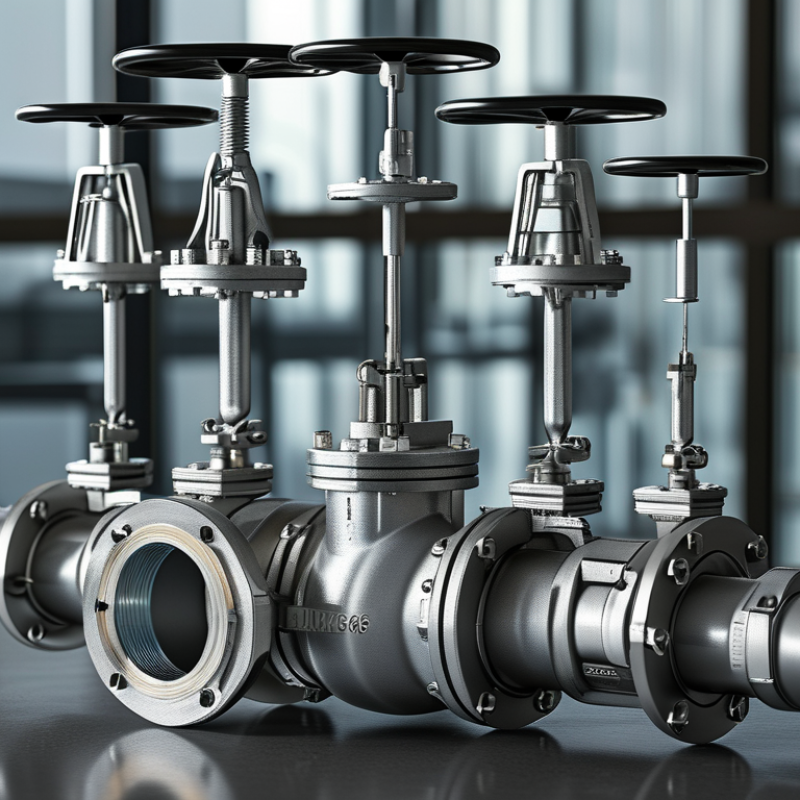
2026 Best Bellows Sealed Gate Valve Suppliers

What Is a Bellows Sealed Gate Valve?

A bellows sealed gate valve is an isolation valve designed to stop process leakage through the stem area. It uses a flexible metal bellows between the stem and valve body. As the handwheel turns, the stem moves the gate while the bellows expands or compresses. This sealed barrier protects the surrounding atmosphere from fluid escaping along the stem. The gate normally moves perpendicular to the flow path. That design provides low resistance when fully open.

In practical inspections, I look closely at the bellows welds, stem alignment, and bonnet seal. Small installation stresses can shorten bellows life. The valve works well with toxic, corrosive, radioactive, or high-purity media where external leakage is unacceptable. It is also useful in vacuum service and hot process lines. However, it is not a universal solution. Frequent throttling can damage the gate and sealing surfaces. Slow operation is usually safer.

Choosing the right valve requires more than matching pipe size. Engineers should verify pressure, temperature, fluid chemistry, cycle frequency, and end connections. Bellows material must suit the process conditions. A common mistake is selecting a valve only by pressure rating. I have seen unsuitable designs fail because thermal movement was ignored. Maintenance teams should monitor operating torque and inspect for unusual stem movement. The bellows remains hidden, so its condition can be difficult to judge without proper testing.

How Bellows Sealed Gate Valves Work and Where They Are Used

2026 Best Bellows Sealed Gate Valve Suppliers

How Bellows Sealed Gate Valves Work and Where They Are Used

A bellows sealed gate valve uses a flexible metal bellows around its moving stem. The bellows is welded to the stem and valve body, creating a sealed barrier. As the handwheel turns, the stem moves vertically while the bellows compresses or expands. The gate then travels across the flow path, stopping or allowing media movement.

This design sharply reduces fugitive emissions from the stem area. It also limits contact between process fluids and external packing materials. Many valves still include secondary packing for emergency protection. That detail matters. A valve should never depend on one sealing layer alone.

These valves are common in chemical plants, vacuum systems, pharmaceutical lines, and high-purity gas service. They also suit toxic, radioactive, corrosive, or valuable media. Clean interiors help protect sensitive production processes. In high-temperature piping, correct alloy selection becomes critical. Bellows fatigue can develop after repeated cycling, especially when travel limits are ignored.

They are not ideal for throttling.

A gate valve performs best when fully open or fully closed. During selection, engineers should check pressure rating, temperature range, cycle frequency, weld quality, and installation orientation. Maintenance teams should inspect for unusual operating torque, surface cracking, and leakage at the secondary seal. The bellows may look sound externally while approaching its fatigue limit. That is an uncomfortable limitation, but it deserves honest attention when choosing a supplier or valve design.

2026 Best Bellows Sealed Gate Valve Suppliers

How Bellows Sealed Gate Valves Work and Where They Are Used

Bellows sealed gate valves use a welded metal bellows around the stem to isolate the process medium from the external environment. This design helps reduce fugitive emissions and is commonly selected for steam, hot water, thermal oil, toxic, corrosive, and high-purity services. The chart shows typical upper service-temperature ranges associated with common application areas; actual limits depend on the valve material, pressure class, sealing design, and media conditions.

Key Standards for Evaluating Valve Suppliers in 2026

Choosing the best bellows sealed gate valve supplier in 2026 requires more than comparing prices. Technical compliance should lead the evaluation. Check alignment with API 6D, ASME B16.34, and ISO 15848 where applicable. These standards address valve design, pressure performance, and fugitive emissions. Ask for current certificates, test procedures, and revision-controlled documents. Old paperwork creates new risks.

Factory experience matters on the shop floor. Review machining records, welding qualifications, bellows forming methods, and pressure-test equipment. A reliable supplier should provide material traceability from heat number to final inspection. Request sample reports for shell tests, seat tests, cycle testing, and leak measurements. Photographs of actual production areas can reveal more than polished brochures. Small details matter.

Supplier reliability also depends on technical support after delivery. Confirm response times, spare-part control, installation guidance, and failure investigation procedures. A strong quality system should include calibrated instruments and documented corrective actions. Do not accept vague promises. Ask how rejected components are isolated and recorded. No audit is perfect. I would still inspect critical processes personally when the application involves toxic, corrosive, or high-temperature media. Delivery history deserves equal attention, because a compliant valve arriving late can disrupt maintenance planning. Price matters, but lifecycle evidence matters more.

Top Factors for Comparing Bellows Sealed Gate Valve Manufacturers

2026 Best Bellows Sealed Gate Valve Suppliers: Top Factors for Comparing Manufacturers

Selecting a bellows sealed gate valve supplier requires more than comparing catalog prices. Grand View Research estimates the global industrial valves market reached about USD 77.6 billion in 2023, with steady growth expected through 2030. That growth increases supplier choices, but not necessarily supplier quality.

Start with technical evidence. Check whether the manufacturer designs valves against API 600, ASME B16.34, and MSS SP-117 requirements. For fugitive emissions, request test results aligned with ISO 15848-1. Test evidence matters. A reliable supplier should provide material certificates, welding procedures, pressure-test records, and bellows cycle data. Ask for records.

Manufacturing depth also matters. Compare forming methods, weld inspection, cleaning controls, and final assembly procedures. In field inspections, weak documentation often reveals more than a polished brochure. Bellows geometry, stem alignment, and bonnet sealing directly affect service life. The 2024 MarketsandMarkets industrial valves analysis identifies energy, chemical processing, and water infrastructure as major demand areas, each requiring different materials and pressure ratings. Suppliers should explain those differences clearly.

Evaluate production capacity, inspection equipment, spare-part support, and delivery performance. A low quotation can hide limited testing or inconsistent metallurgy. I would also review independent customer references, though references are never perfect. Even experienced buyers can overvalue price and underestimate technical support. A practical comparison should score compliance, lifecycle cost, lead time, traceability, and after-sales response separately.

2026 Best Bellows Sealed Gate Valve Suppliers - Top Factors for Comparing Bellows Sealed Gate Valve Manufacturers

Comparison Dimension What to Compare Relevant Standard or Technical Reference Evidence to Request Priority
Pressure and temperature range Verify the pressure class, design pressure, design temperature, and allowable operating envelope for the intended service. ASME B16.34 pressure-temperature ratings; project-specific design conditions. Approved datasheet showing pressure-temperature ratings and material temperature limits. Critical
Valve design standard Check whether the gate valve design, dimensions, pressure boundary, and manufacturing controls match the purchaser’s specification. API 600 for bolted bonnet steel gate valves; ASME B16.34 for pressure-containing valve requirements. Design standard declaration, dimensional drawings, and compliance matrix. Critical
Bellows construction Compare bellows material, number of convolutions, welded construction, corrosion resistance, and compatibility with the process medium. EN 12569 provides requirements for industrial valves used in chemical and petrochemical applications; material selection must also follow the process specification. Bellows drawings, material certificates, weld procedure records, and service-compatibility statement. Critical
Fugitive-emission performance Confirm that the bellows and secondary stem sealing arrangement limit emissions during normal operation and cycling. ISO 15848-1 for type testing and ISO 15848-2 for production acceptance testing of industrial valves. Independent or witnessed fugitive-emission test report, leakage class, temperature, pressure, and cycle count. Critical
Pressure testing Review shell, seat, backseat, and functional testing procedures, including test medium and acceptance criteria. API 598 or ISO 5208, as specified by the project or purchaser. Valve test procedure, calibrated gauge records, signed test reports, and inspection release note. Critical
Pressure-boundary materials Compare body, bonnet, wedge, stem, and trim materials against corrosion, erosion, temperature, and pressure requirements. ASTM and ASME material specifications, such as ASTM A216/A216M for carbon-steel castings and ASTM A351/A351M for corrosion-resistant steel castings. EN 10204 3.1 material certificates, heat numbers, chemical analysis, and mechanical test results. High
End connections and dimensions Check flange rating, face-to-face dimensions, bore, weld-end geometry, and compatibility with the piping class. ASME B16.5 for flanges up to NPS 24; ASME B16.25 for butt-welding ends; ASME B16.10 for face-to-face dimensions. Certified dimensional drawing, flange details, welding-end schedule, and piping interface review. High
Stem and operating mechanism Evaluate rising-stem arrangement, operating torque, handwheel or actuator interface, stem protection, and accessibility for maintenance. ASME B16.34 and the applicable actuator or operator specification. Torque/thrust calculations, operator sizing sheet, assembly drawing, and functional test record. High
Quality management system Assess manufacturing consistency, document control, nonconformance handling, corrective action, and traceability. ISO 9001 quality-management-system requirements. Valid certificate issued by an accredited certification body and recent audit summary. High
Inspection and certification Compare the availability of dimensional, visual, non-destructive, material, pressure, and fugitive-emission inspection records. Project inspection and test plan; applicable ASME, API, ISO, ASTM, and EN requirements. Inspection and test plan, hold-point schedule, NDE reports, calibration certificates, and final manufacturing record book index. High
Application experience Prioritize demonstrated experience with steam, hazardous fluids, vacuum service, high-temperature service, or corrosive chemical applications relevant to the project. Project specifications, process safety requirements, and applicable industry codes. Anonymized reference list, project case records, service conditions, and customer acceptance documentation. Medium
Customization capability Compare the ability to provide special materials, extended bonnet designs, welded ends, cryogenic options, drains, bypasses, and actuator packages. Approved project specification and applicable piping, material, and valve standards. Technical deviation list, engineering schedule, drawings, design calculations, and change-control procedure. Medium
Lead time and production capacity Compare quoted lead time, production capacity, critical-path components, inspection duration, and ability to support phased deliveries. Purchase order schedule and approved manufacturing schedule. Capacity statement, manufacturing schedule, long-lead-item list, and on-time-delivery performance data. Medium
After-sales support Evaluate spare-parts availability, troubleshooting support, maintenance instructions, warranty terms, and response time. Contract warranty requirements and the equipment maintenance plan. Warranty document, spare-parts list, maintenance manual, service network details, and escalation procedure. Medium
Total cost of ownership Compare purchase price together with inspection, certification, installation, actuator, spare-parts, maintenance, downtime, and disposal costs. Approved project budget, lifecycle-cost model, and maintenance strategy. Itemized quotation, lifecycle assumptions, spare-parts pricing, warranty exclusions, and commercial validity period. Important
Evaluation note: Supplier suitability should be confirmed against the actual process medium, pressure-temperature envelope, piping class, fugitive-emission requirements, inspection plan, and applicable project standards. Standards and acceptance criteria should be stated in the purchase specification before quotations are compared.

How to Select a Reliable Bellows Sealed Gate Valve Supplier

How to Select a Reliable Bellows Sealed Gate Valve Supplier

Selecting a bellows sealed gate valve supplier requires more than comparing prices. According to Grand View Research, the global industrial valves market was valued at approximately USD 78 billion in 2023. This growth increases supplier choices, but quality remains uneven. A reliable supplier should provide material certificates, pressure-test records, and clear production traceability. Ask whether each bellows assembly receives helium leak testing. Small documentation gaps can become expensive maintenance problems.

Examine practical engineering experience. The supplier should understand ASME B16.34, API 598, and ISO 15848-1 requirements. Request data on bellows cycle life, operating temperature, pressure class, and corrosion resistance. A useful supplier can explain why a welded bellows design fits your service conditions. Factory audits also reveal important details, including clean assembly areas, calibrated instruments, and controlled welding procedures. A low quote may seem efficient. In my experience, it can hide weak testing or limited after-sales support.

Tips:

Request one complete sample quality dossier before ordering. Check the serial number against every test report. Confirm spare bellows availability and response times. Compare promised delivery with recent shipment records. Do not rely only on certificates; inspect the supplier’s process. Even experienced buyers sometimes overlook actuator compatibility. That mistake deserves another review.

AVADA IT

Fusce ut ipsum tincidunt, porta nisl sollicitudin, vulputate nunc. Cras commodo leo ac nunc convallis ets efficitur.

RECENT TWEETS

CONTACT US

  • 12345 North Main Street,
    New York, NY 555555

  • 1.800.555.6789

  • sale@vibrotools.com

Go to Top