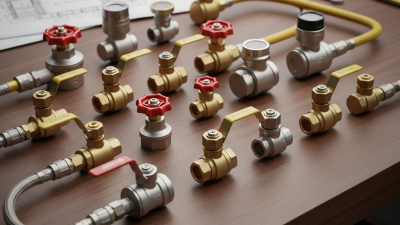
An earthquake gas shut off valve is a critical safety device designed to prevent potential hazards in the aftermath of seismic activity. When an earthquake strikes, the risk of gas leaks significantly increases due to damaged pipelines and infrastructure. This can lead to dangerous situations, including explosions and fires, posing serious threats to life and property. The earthquake gas shut off valve plays an essential role in mitigating these risks by automatically shutting off the gas supply when seismic activity is detected.
These valves are engineered to respond to specific vibration thresholds, ensuring that they activate during moderate to severe earthquakes. Understanding how these devices function is key to recognizing their importance in natural disaster preparedness. Whether installed in residential or commercial properties, the earthquake gas shut off valve serves as a first line of defense, safeguarding occupants and property from the devastating effects of gas-related incidents. As we delve deeper into the operation and advantages of these valves, it becomes clear that they are indispensable components of modern safety systems in earthquake-prone areas.
An Earthquake Gas Shut Off Valve (EGSOV) is a crucial safety device designed to mitigate the risks associated with gas leaks during seismic activities. These valves automatically shut off the gas supply in the event of an earthquake, thus preventing fires or explosions that can result from damaged gas lines. According to a report by the Gas Research Institute, nearly 20% of major fires following an earthquake can be attributed to natural gas leaks. Therefore, implementing an EGSOV not only enhances safety but also plays a pivotal role in community resilience post-disaster.
Tips: Homeowners should consider having an EGSOV installed by a licensed professional to ensure proper functioning. Regular maintenance checks are essential, as these valves can be susceptible to environmental wear. Additionally, keeping an emergency gas shut off tool nearby can facilitate swift action in case of a gas smell or leak.
The mechanism behind the EGSOV involves a weighted float or sensor that detects shaking beyond a specific threshold. This mechanism activates the valve, thereby stopping the flow of gas. Various models are equipped with manual reset features, allowing homeowners to reactivate the valve after an earthquake safely. Research indicates that regions with higher seismic activity have seen a significant reduction in gas-related incidents due to the installation of such devices, underscoring their importance in safeguarding lives and property.

Earthquake gas shut off valves are vital components in ensuring safety during seismic events. These valves are designed to automatically shut off the gas supply when an earthquake reaches a certain magnitude. Given the potential for gas leaks and subsequent fires after an earthquake, these valves serve a crucial role in preventing catastrophic outcomes that could lead to injury or loss of life.
Moreover, the installation of these valves is increasingly recommended in seismic-prone areas. They not only provide immediate response to natural disasters but also contribute to the overall preparedness and resilience of communities. By reducing the risk of gas-related hazards, earthquake gas shut off valves enhance public safety and minimize damage to property. Their importance in emergency response plans underscores the need for proactive safety measures in our increasingly vulnerable environments.
Earthquake gas shut-off valves are essential safety devices designed to automatically stop the flow of gas in the event of seismic activity. These valves function mechanically by utilizing a weighted mechanism that responds to shaking. When an earthquake occurs, the valve's internal weight is displaced from its neutral position, prompting the valve to close, thereby preventing gas leaks that could lead to fires or explosions. According to the American Gas Association, improper gas line management can result in significant hazards, as nearly 60% of earthquake-related damages in urban areas are related to gas leaks.
The installation of these valves has become increasingly recognized as a crucial component of earthquake preparedness. In California alone, the California Public Utilities Commission reported that nearly 300,000 earthquake gas shut-off valves were installed in the last decade, showcasing a growing commitment to public safety. These valves not only enhance the resilience of infrastructure but also contribute to the overall risk mitigation strategies employed by homeowners and businesses.
The mechanical simplicity of these devices ensures that they function effectively under the unpredictable nature of seismic events, making them indispensable in earthquake-prone regions.
Earthquake gas shut off valves (EGSOVs) play a crucial role in enhancing safety during seismic events. These devices automatically disconnect gas supplies when a significant earthquake is detected, reducing the risk of fires and explosions. There are primarily two types of EGSOVs: mechanical and electronic. Mechanical valves rely on gravity and weighted mechanisms that automatically shut off gas flow when a certain tremor intensity is recorded. According to the American Society of Civil Engineers (ASCE), these valves can be highly effective, shutting off gas in about 85% of seismic incidents.
Electronic valves, on the other hand, utilize sensors and alarms to monitor seismic activity. When vibrations reach a predetermined level, these valves can autonomously shut off gas supplies and send alerts to homeowners. Statistics from the National Fire Protection Association (NFPA) highlight that areas equipped with electronic EGSOVs have reported a 30% decrease in gas-related incidents following earthquakes. Both types serve specific applications, with mechanical models often used in residential settings and electronic valves being preferred for commercial establishments where rapid response is critical. These systems ensure that both individual properties and larger infrastructures remain protected during seismic events.
| Type of Valve | Activation Method | Applications | Reusability |
|---|---|---|---|
| Automatic Shut Off Valve | Seismic Sensors | Residential and Commercial Properties | Yes |
| Manual Shut Off Valve | Hand Operated | Gas Stations, Large Facilities | No |
| Earthquake-Sensitive Valve | Vibration Detection | Industrial Applications | Yes |
| Timed Shut Off Valve | Pre-Set Timers | Research Facilities | Depends on Setup |
Earthquake gas shut off valves are critical safety devices designed to automatically stop the flow of gas in the event of a seismic event. Proper installation of these valves is essential to ensure effective operation during an earthquake. The installation process typically involves placing the valve on the gas line close to the meter and securing it with proper fittings. It’s crucial to have a qualified technician conduct this installation to meet local building codes and regulations.
Tips for installation include ensuring the valve is placed in an accessible location for manual operation if needed. Additionally, regular maintenance is vital. Property owners should check the valve periodically to ensure it is not obstructed by debris and is free from corrosion. Test the valve by manually shutting it off and turning it back on, confirming that it operates smoothly. This proactive approach will help to ensure that in the event of an earthquake, the valve functions efficiently to prevent gas leaks and potential fires.
For ongoing maintenance, consider scheduling annual inspections with a professional. These experts can assess the valve's condition, check for any signs of wear and tear, and make necessary adjustments. Keeping detailed records of these maintenance checks will further enhance the safety of your gas appliances in the event of an emergency.
© Copyright 2025 | LittleFirefighter.com | All Rights Reserved | 1EZ Creative: Orange County Web Design

Fusce ut ipsum tincidunt, porta nisl sollicitudin, vulputate nunc. Cras commodo leo ac nunc convallis ets efficitur.

12345 North Main Street,
New York, NY 555555
1.800.555.6789
sale@vibrotools.com